Why a changing bag checklist helps
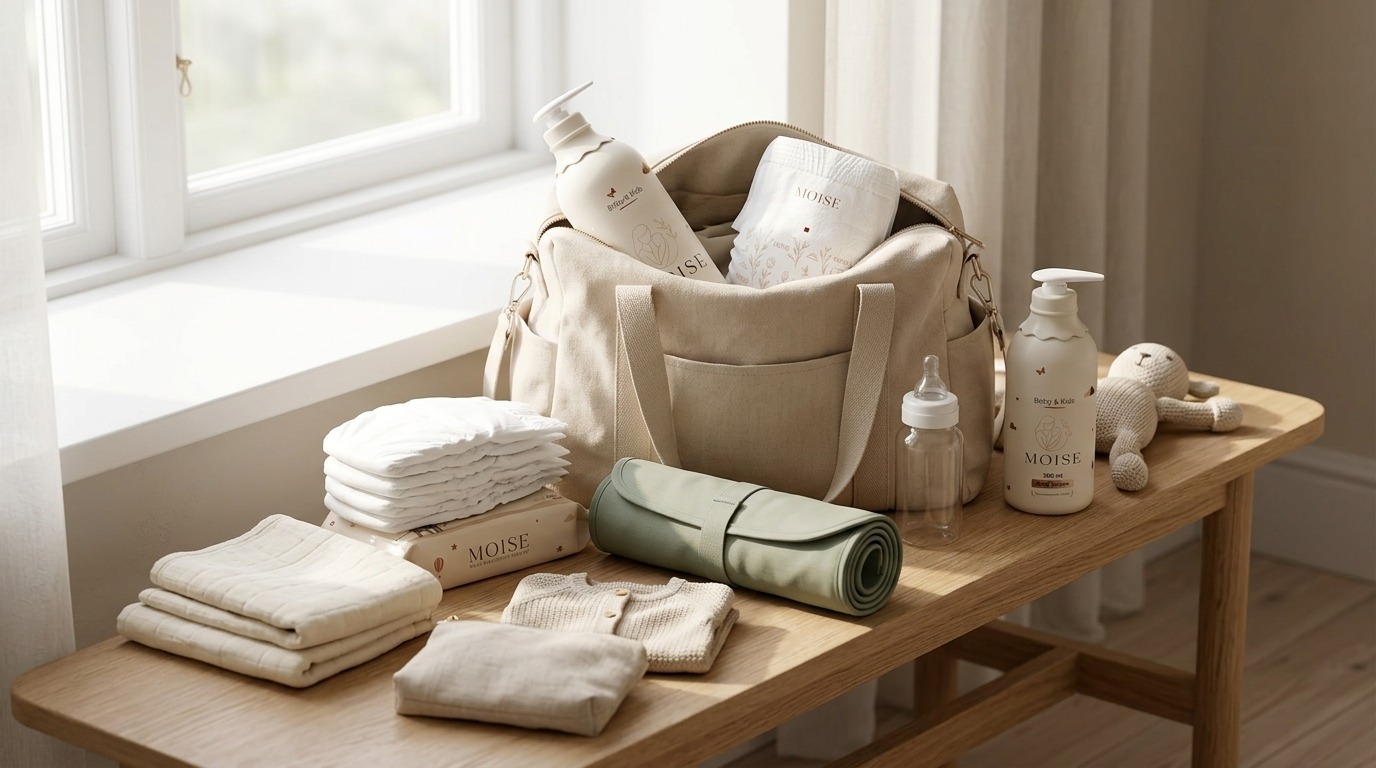
A good changing bag holds nappies, wipes, a changing mat, nappy bags, one or two spare outfits, muslin cloths and whatever your baby needs to feed. Add weather extras and anything prescribed for your child, and you are covered for most days out.
That is the short answer. The longer one is that every baby, and every outing, is a little different. A changing bag checklist simply takes the guesswork out of leaving the house, so you are not rummaging for wipes in a café or improvising with a scarf after a leaky nappy.
You do not need to carry everything your baby owns. The right bag depends on five things:
- your baby's age and stage
- how they feed (breast, bottle, solids or a mix)
- how long you will be out
- the weather
- where you are going, and whether there are shops or changing facilities nearby
Treat the list below as a flexible starting point. Keep what you use, drop what you never touch, and adjust it as your baby grows.
The complete changing bag checklist
Here are the baby changing bag essentials most families reach for, split into must-haves and optional extras.
Must-haves
- Nappies – enough for the outing plus a couple of spares (see below for how many).
- Baby wipes or other cleaning supplies you use at home, such as cotton wool and a small bottle of water for newborns.
- A portable changing mat – a clean, wipeable surface wherever you are.
- Nappy disposal bags, where you will need to carry a used nappy until you find a bin.
- One or two changes of baby clothes – leaks and spit-up rarely give warning.
- Muslin cloths or burp cloths for milk, dribble and quick clean-ups.
- Feeding supplies that match your baby's age and feeding method.
- A small wet bag or waterproof bag to keep soiled clothes away from clean ones.
- Weather-appropriate extras, such as a sun hat or a warm layer.
- Any medication or care items prescribed for your child, with instructions.
Useful, depending on your baby
- Nappy cream, if your baby is prone to redness or you use it at home.
- Bibs, once your baby is dribbling a lot or eating solids.
- A clean comfort item, if your baby has one.
- Hand sanitiser for you, kept in a closed pocket out of your baby's reach.
- Tissues, for noses and small spills.
- A spare top for you – rarely needed, until the day it is.
Nappy-changing essentials
Most of what a changing bag does is make nappy changes away from home quick and hygienic. A small, dedicated nappy pouch that you can lift out on its own is often easier than carrying the whole bag into a cramped changing room.
How many nappies should you pack?
As a rough rule of thumb, pack one nappy for every two to three hours you expect to be out, then add two spares. This is a practical guideline, not an official rule.
- Quick trip (under 2 hours): 2–3 nappies.
- Half day (3–5 hours): 3–4 nappies.
- Full day (6+ hours): 5–6 nappies, plus extras if you are travelling.
Newborns tend to need changing more often than older babies. The NHS notes that babies should have around 6 wet nappies a day from a few days after birth, and many young babies also poo after feeds. If your little one is in that stage, lean towards the higher end.
Also think about travel time, your baby's usual pattern, and whether you could buy nappies if you ran out. A small backup supply stays useful when plans change, trains are delayed or a visit runs longer than expected. If you are not sure your baby is in the right size, our guide to nappy pants vs nappies explains the differences between the two styles.
Wipes, changing mats and nappy bags
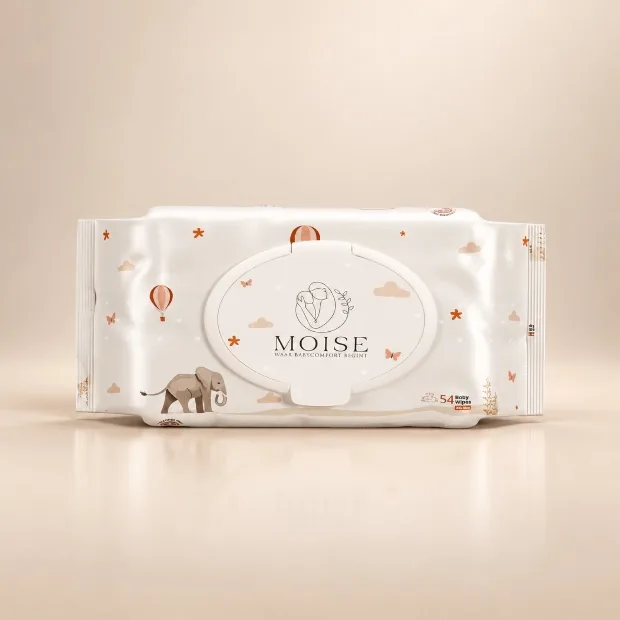
Baby wipes do the cleaning. For babies prone to irritation, some parents prefer fragrance-free or water-based wipes, though no single product suits every baby. Our buyer's guide to baby wipes for newborns and sensitive skin covers what to look for. A travel-size pack is lighter than a full one and easier to restock.
A portable changing mat gives you a clean surface on a public changing table, a friend's sofa or the boot of the car. Choose one you can wipe down or wash.
Nappy bags help you handle a used nappy hygienically until you reach a bin. Fold the nappy inward, seal it, and follow local guidance on disposal. Some public toilets have dedicated nappy bins; elsewhere, use general waste unless signs say otherwise. Wash or sanitise your hands afterwards.
For a refresher on technique, see how to clean your baby's nappy area.
Should you pack nappy cream?
Not every baby needs nappy cream at every change. A barrier cream can help protect skin that is prone to redness or that has started to look irritated. If you use one at home, pop a small tube in the bag so you can keep your routine going.
Follow the product instructions. If nappy-area redness is severe, persistent, blistered or unusual, speak to your health visitor, pharmacist or GP rather than relying on cream alone.
Spare clothes and clean-up supplies
Even a short walk can end with a nappy leak or a milky shoulder. Spare clothing means a mess becomes a two-minute fix rather than a reason to head home.
- A complete spare outfit suited to the season.
- An extra vest or bodysuit – the layer most likely to get wet.
- Socks, for babies who are not yet in shoes or tights.
- Muslin cloths for spit-up, spills and wiping hands and faces.
- A waterproof or washable bag for anything wet or soiled.
Choose clothes by your baby's stage. Newborns and babies who bring up a lot of milk may need two spare outfits; an older baby on solids may need a spare top more than spare trousers. On longer trips, or in changeable weather, add a light extra layer. Roll each outfit tightly so it takes up less room.
Feeding essentials for your changing bag
Your feeding checklist should follow your baby's age and your family's usual routine. Pack for the feeds you expect to give while you are out, plus a little margin.
If you are breastfeeding
A changing bag checklist for breastfeeding is usually short:
- Muslin or burp cloths for winding and spills.
- Breast pads, if you use them.
- A nursing cover, only if you would like one.
- A water bottle and snacks for you – feeding is thirsty work.
A nursing cover is entirely optional. Many parents feed comfortably without one; others prefer a scarf, a loose layer or a quiet corner. Choose whatever makes you feel at ease.
If you are formula feeding
A changing bag checklist for bottle feeding needs more planning, because safe preparation matters. The NHS advises taking a measured amount of formula powder in a small, clean, dry container, a vacuum flask of just-boiled water, and an empty sterilised bottle. You then make up a fresh feed only when your baby needs it, while the water is still hot enough to destroy bacteria in the powder, and cool the bottle under cold running water before feeding.
If that is not practical, the NHS suggests using a carton of ready-to-feed liquid formula instead. It also explains that transporting a feed made up at home should be a one-off rather than a habit, and sets out how to chill and carry it safely.
Safe handling depends on how the feed is prepared, stored and carried, so do not rely on a general time limit you have heard elsewhere. Follow current guidance from your national health service and the instructions on your formula. Pack:
- the right amount of formula for the outing, plus one extra feed
- clean, sterilised bottles and teats
- a flask of just-boiled water, or ready-to-feed cartons
- a muslin and a bib
If your baby has started solids
Once your baby is eating solid food, usually from around 6 months, add a few simple items:
- a bib
- a clean spoon
- a small, sealed food container
- a suitable cup or beaker, if your baby is using one
- wipes or a cloth for clean-up
Offer foods suitable for your baby's age and stage, and stay with them while they eat. The NHS advises that food that is not kept cold while you are out should be eaten as soon as possible, and that half-eaten portions should be thrown away rather than saved. A small cool bag with an ice pack helps on longer days.
What to pack for your baby's age
The table below gives general examples. Every child develops at their own pace, so adapt it to your baby's routine.
| Baby's stage | Items to prioritise |
|---|---|
| Newborn | Extra nappies, spare clothes, muslins, feeding supplies and weather-appropriate layers |
| 3–6 months | Nappy-changing essentials, a spare outfit, feeding supplies and a familiar comfort item if used |
| 6–12 months | Nappies, wipes, feeding items, bibs, spare clothes and supplies suited to starting solids |
| Toddler | Nappies or toilet-training supplies as appropriate, spare underwear or clothes, snacks, a drink and a familiar comfort item |
A changing bag checklist for toddlers often shrinks in some areas and grows in others. You may carry fewer muslins but more snacks, and spare pants plus a travel potty if you are toilet training.
Weather-specific changing bag essentials
On warm or sunny days
- Lightweight, loose clothing in breathable fabric.
- A sun hat with a wide brim or a flap at the back.
- A parasol or sunshade for the pushchair.
- Water for you, and suitable fluids for your child.
Sun protection depends on age. The NHS says babies under 6 months should be kept out of direct sunlight, and that sunscreen is not recommended for them. Shade, clothing and timing do the work instead. For babies 6 months and over, the NHS recommends a sunscreen of at least SPF 30 with UVA and UVB protection, alongside shade and clothing, not instead of them. It also advises against covering a pushchair or pram with a blanket, because it could lead to overheating.
Fully breastfed babies under 6 months do not need extra water but may want to feed more often in hot weather. Once solids have started, sips of water from a cup with meals are recommended. Advice can differ between countries, so check your local guidance if you live outside the UK.
On cold or rainy days
- Layers you can add or remove easily.
- A spare warm outfit, in case the first one gets wet.
- A rain cover for the pushchair, used as the manufacturer instructs.
- Extra socks and a hat when it is cold.
It is easy to overdo it. Babies can overheat when bundled in too many layers, especially once you move indoors, so check their neck or chest and remove a layer if they feel hot or sweaty.
If you are travelling by car, avoid thick coats or snowsuits under the car seat harness. Consumer Reports' auto safety specialist explains that puffy layers can compress in a crash and leave the harness too loose. Strap your baby in wearing thinner layers, then tuck a blanket or their coat over the top of the harness. Always follow your car seat manufacturer's instructions.
What to pack for different types of outings
The trick to a lighter bag is packing for the outing you are actually having. Start with the essentials, then add only what the day calls for.
A quick trip to the shops
- Essential: 2–3 nappies, a small pack of wipes, a changing mat, nappy bags, one spare vest, a muslin.
- Add if needed: one feed if it might run close to feeding time.
A half-day outing
- Essential: 3–4 nappies, wipes, mat, nappy bags, a full spare outfit, muslins, feeding supplies for one or two feeds.
- Add if needed: weather layers, snacks for an older baby, a comfort item.
A full day away from home
- Essential: 5–6 nappies, a full pack of wipes, two spare outfits, a wet bag, feeding supplies for every expected feed plus one extra, food and a cool bag if your baby eats solids.
- Add if needed: nappy cream, a spare top for you, a compact toy.
A visit to friends or family
- Essential: nappies, wipes, mat, a spare outfit and feeding supplies.
- Add if needed: a familiar comfort item for naps. Ask your hosts what they already have, such as a changing space, so you can leave bulky items at home.
A long journey or day trip
- Essential: everything on the full-day list, plus extra nappies and feeds to cover delays.
- Add if needed: a change of clothes for you, a reusable bag for rubbish, and any medication your child takes. Keep feeding and changing supplies within reach rather than packed away in luggage.
Optional items that can make outings easier
None of these are essential, and most families will only need a few.
- A spare dummy, if your baby uses one, in a clean case.
- A small, familiar comfort item.
- A compact toy suited to your baby's age, with no small parts.
- A reusable shopping bag for impromptu purchases or wet items.
- Hand sanitiser for you, stored out of your baby's reach.
- A spare top for you.
- A small care pouch with plasters for you, any medicines prescribed for your child and their instructions.
Before buying anything new, check what you already have at home. A clean freezer bag can be a wet bag; a muslin can be a changing mat in a pinch.
How to organise your changing bag
A well-organised bag saves time when your baby is wriggling or hungry.
- Use separate pouches for nappy changes, feeding and spare clothes. You can grab one without unpacking everything.
- Keep frequently used items easy to reach, such as wipes and a muslin in an outer pocket.
- Store clean and used items apart. Soiled clothes go straight into a sealed wet bag.
- Check every lid. Make sure food, drinks and creams are securely closed before you set off.
- Keep hazards out of reach. Medicines, small objects, sanitiser and creams belong in zipped pockets your baby cannot open.
- Choose a comfortable, easy-to-clean bag. A backpack style spreads the weight; a wipeable lining makes spills easy to deal with.
A five-minute restock routine keeps the bag ready for next time. When you get home, empty the wet bag, wash used muslins, replace nappies and wipes, top up nappy bags and check expiry dates on any creams or medicines. Do it once and the next outing starts with a packed bag.
Changing bag checklist: common packing mistakes to avoid
| Mistake | Simple fix |
|---|---|
| Packing too many unnecessary items | Pack for the length of today's outing, not every possibility |
| Forgetting spare clothes | Keep one rolled outfit in the bag permanently and replace it when used |
| Taking too few nappies | Use the two-to-three-hours rule and add two spares |
| Forgetting feeding supplies | Pack feeds the night before, or set a reminder by the door |
| Leaving used or damp items loose | Always carry a sealed wet bag |
| Weather-inappropriate clothing | Check the forecast and pack one layer warmer or cooler than you expect |
| Running out of wipes or nappy bags | Restock as soon as you get home |
| Carrying items your child has outgrown | Review the bag each time your baby changes nappy size or starts a new stage |
A printable changing bag checklist
This is an adaptable checklist, not a list every family must follow. Copy it, save it on your phone or print it and keep it by the door.
Nappy changing
- Nappies
- Wipes or suitable cleaning supplies
- Portable changing mat
- Nappy disposal bags, where needed
- Nappy cream, if needed
Clothing and clean-up
- Spare outfit
- Extra vest or bodysuit
- Muslin or burp cloth
- Bag for wet or soiled clothes
Feeding
- Feeding supplies for your baby's feeding method
- Bib and spoon, if needed
- Food or snacks suitable for your child's age, if needed
- Water bottle and snacks for you
Comfort and weather
- Weather-appropriate clothing
- Sun hat or rain protection, as appropriate
- Comfort item or dummy, if used
Other essentials
- Tissues
- Hand sanitiser for you
- Essential medication or care items, if needed
- Phone, keys and wallet
Conclusion: pack for your baby, not for every possibility
The best changing bag checklist is the one that matches your day. Nappies, wipes, a changing mat, nappy bags, spare clothes, muslins and the right feeding supplies cover most outings. Weather layers and anything prescribed for your child complete the picture.
As your baby grows, the bag will change with them. Start with the essentials, notice what you actually use, and restock when you get home. A little preparation means you can spend less time worrying about what you have forgotten, and more time enjoying being out together.
Frequently asked questions
For a full day, pack enough nappies for every two to three hours plus spares, wipes, a portable changing mat, nappy bags and two spare outfits. Add muslins, feeding supplies for every expected feed plus one, a sealed bag for soiled clothes and weather layers. Finish with anything prescribed for your child, plus your own phone, keys and a drink.
A practical rule of thumb is one nappy for every two to three hours away, plus two spares. That usually means five or six for a full day. Newborns often need changing more often, so pack a few extra in the early weeks. If you are travelling or unsure whether you can buy more, add a small backup supply.
Newborns go through nappies and clothes quickly, so prioritise extra nappies, gentle wipes or cotton wool and water, a changing mat, nappy bags and two spare outfits. Add several muslins, feeding supplies for your chosen method and a layer suited to the weather. Remember that babies under 6 months should be kept out of direct sunlight.
It is not strictly essential, but most parents find one worth carrying. Public changing tables are not always clean, and you will sometimes change your baby on a sofa, a bench or the car boot. A wipeable, foldable mat gives you a hygienic surface anywhere and takes up very little room in the bag.
Yes. Nappy leaks, spit-up and spilled food happen even on short trips. Keep at least one complete outfit and an extra vest or bodysuit in the bag at all times, rolled tightly to save space. Replace them as soon as they are used, and swap them for the next size or season when needed.
Breastfeeding keeps the bag light. Pack muslins or burp cloths, breast pads if you use them and a nursing cover only if you would like one. A water bottle and a snack for yourself are useful, because feeding can leave you thirsty. Your baby's nappy-changing kit and spare clothes complete the list.
The NHS recommends carrying measured formula powder in a clean, dry container, a vacuum flask of just-boiled water and an empty sterilised bottle, then making up each feed fresh when needed. Ready-to-feed cartons are the alternative when that is not possible. Follow your formula's instructions and local health guidance on transporting feeds.
A toddler's bag usually holds nappies or nappy pants, wipes, a spare set of clothes and snacks and a drink suited to their age. During toilet training, swap some nappies for spare pants, add a wet bag and consider a travel potty. A favourite small toy or comfort item can help with waiting and travel.
Ideally after every outing. A quick check when you get home takes only a few minutes: replace nappies and wipes, wash used muslins, empty the wet bag and top up nappy bags. Once a month, check expiry dates on creams or medicines, and review sizes so clothes and nappies still fit.
A changing bag usually has a wipeable lining, insulated bottle pockets, a built-in changing mat and straps that clip onto a pushchair. A regular backpack can work well too, especially with a few pouches inside to separate clean and used items. Choose whatever feels comfortable to carry and is easy to clean.