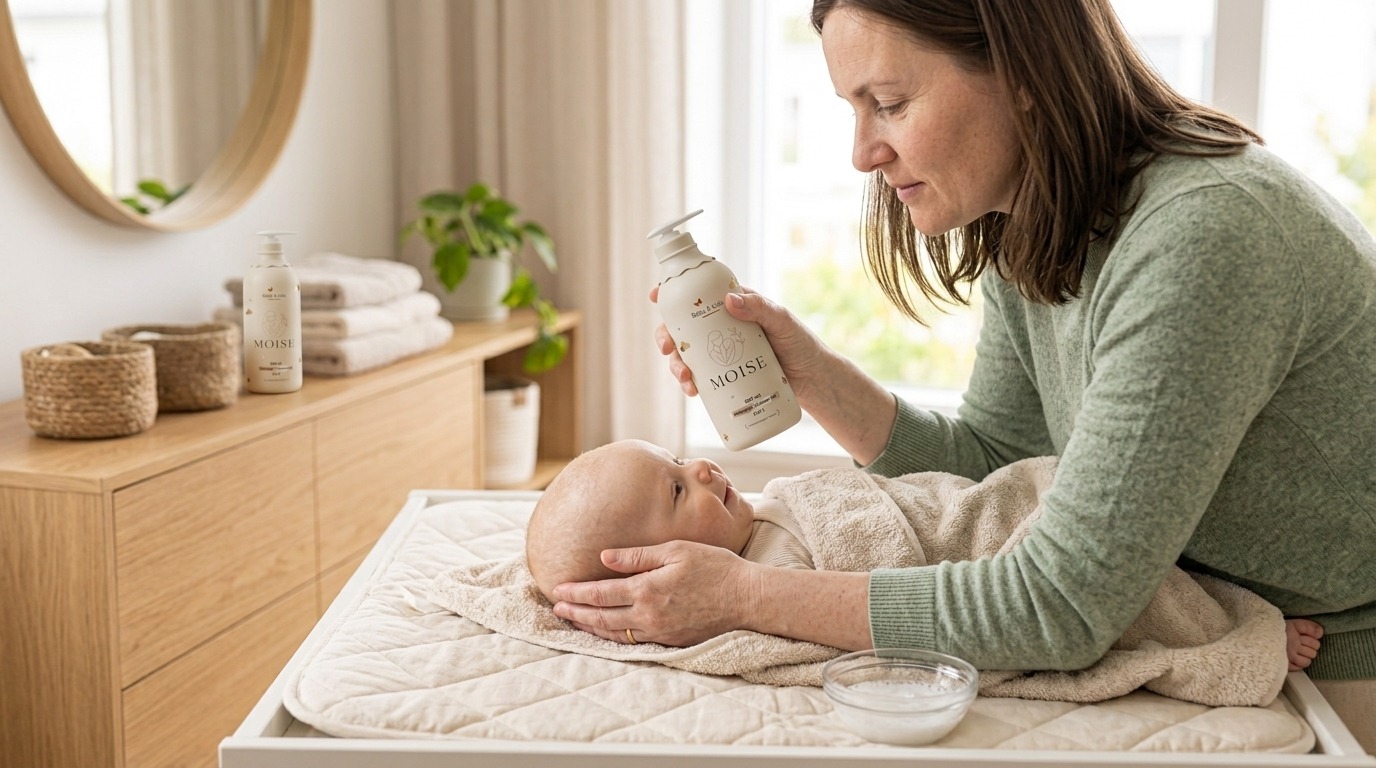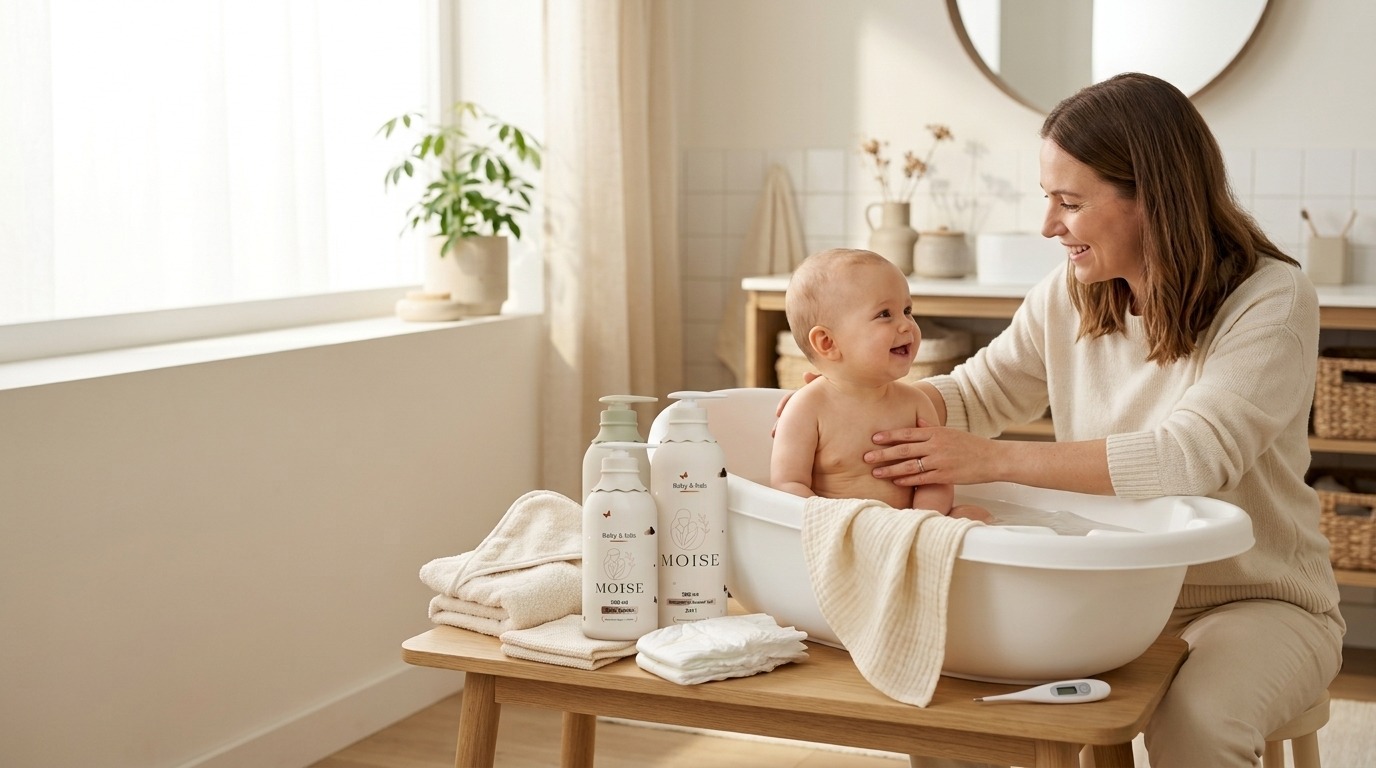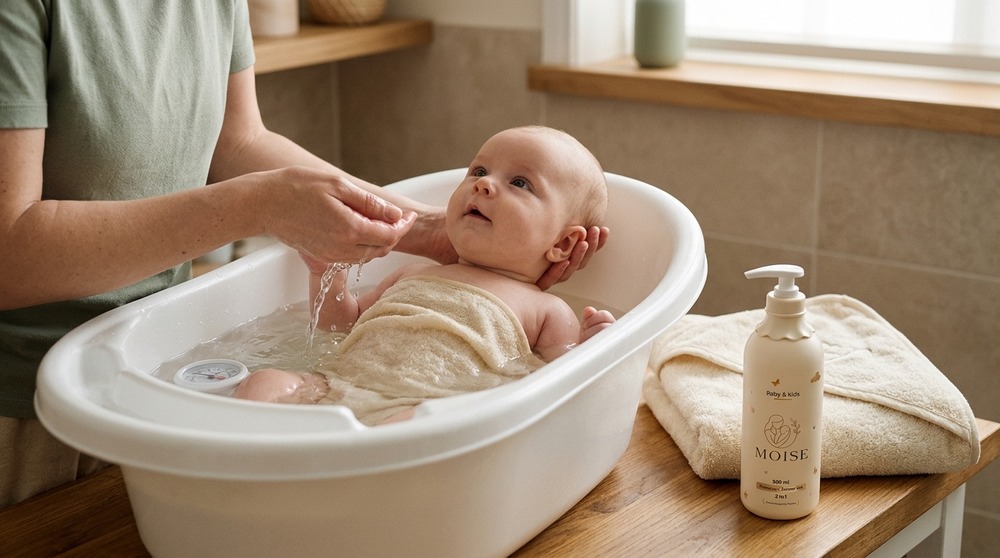
The towel is warming on the radiator. You've checked the water twice. The room smells of clean laundry and you've even put on some soft music. Then you take off the last bit of your baby's vest and the crying starts. By the time their toes touch the water, it's a full-blown wail.
If your baby hates bath time, you're far from the only one. Plenty of babies, and newborns in particular, cry in the bath. They're still getting used to a world full of new sensations, and being undressed, lifted and lowered into water is a lot to take in at once.
Crying doesn't usually mean anything is wrong. More often your baby is cold, a bit uncomfortable, overwhelmed or simply unsure about something that still feels strange. The good news is that small changes to the room, the water temperature, the way you hold your baby and the routine itself can make bath time much calmer. This guide walks you through why it happens and what you can try.
Why does my baby hate bath time?
There's rarely one single reason. Often it's a mix of a few small things. These are the most common.
The water feels unfamiliar
To you, a bath is relaxing. To a young baby, it's a strange new feeling. Water moves around them, their body feels lighter, and they're being held in a way they aren't used to. That loss of a firm, familiar surface can make some babies feel unsteady, and crying is how they tell you.
Your baby feels cold
Babies lose heat quickly. The moment their clothes come off, cooler air hits their skin. The same thing happens when they come out of warm water into a cooler room, and their wet skin cools even faster. Many babies who seem fine in the water cry hard the second they're lifted out for exactly this reason.
The water temperature is uncomfortable
Water that's even slightly too cool can feel chilly to a baby, while water that's too hot is uncomfortable and can scald delicate skin. Your hand isn't a reliable guide either, because adult hands are used to hotter water. Getting the temperature right is one of the quickest fixes for a baby who cries in the bath.
Your baby dislikes being undressed
Some babies get upset well before the bath, as soon as their clothes and nappy come off. Being bundled up feels warm and secure. Lying there with nothing on can feel exposed and chilly, especially for newborns used to being swaddled or held close.
Your baby is tired or hungry
A bath asks a lot of a baby's patience. If they're already overtired, hungry or a bit grumpy, the bath can tip them over the edge. A baby who would happily splash after a nap might scream through the same bath an hour before a feed.
Water or soap gets into their eyes
A splash in the face, or a bit of shampoo running into the eyes, is unpleasant at any age. Babies can quickly start to link the bath with that feeling. If your baby tenses up as soon as you go near their head, this could be part of it.
Your baby is overstimulated
Bright bathroom lights, the echo of a tiled room, a running tap, strongly scented products and a busy household can all add up. Some babies cope with this easily. Others find it overwhelming, especially at the end of a long day.
Is it normal for babies to cry during bath time?
Yes. Occasional crying in the bath is very common, especially in the first weeks. Newborns have spent months in a warm, snug space, and the open air and changing temperatures of a bath can take some getting used to.
Babies are also individuals. Some love the water from day one. Others take weeks or months to relax, and a few never become huge fans. Preferences often change as babies grow, too. A newborn who screamed through every bath may turn into a toddler you can barely get out of the tub.
It helps to think of crying as communication rather than bad behaviour. Your baby is telling you something: I'm cold, I'm tired, this feels strange. Responding calmly, rather than pushing on regardless, helps your baby learn that bath time is safe.
That said, trust your instincts. If your baby seems to be in real pain, cries in an unusual way, or shows signs of being unwell, speak to your health visitor, GP or NHS 111.
10 ways to make bath time calmer for your baby
You don't need to try all of these at once. Pick two or three that seem to fit your baby and build from there.
1. Choose the right time for a bath
Timing makes a bigger difference than most parents expect. The NHS suggests avoiding a bath straight after a feed, or when your baby is hungry or tired, and picking a moment when they're awake and content.
- Avoid bathing when your baby is very hungry or overtired.
- Leave a little time after a feed before the bath.
- Choose a part of the day when you're not in a rush either.
- If evenings are chaotic in your house, a mid-morning bath is perfectly fine.
2. Make the room warm and comfortable
A warm room is one of the simplest ways to make bath time easier for your baby.
- Warm the bathroom (or whichever room you use) before you start.
- Close windows and doors to stop cold draughts.
- Lay out the towel, a clean nappy and fresh clothes before you undress your baby.
- Keep the time your baby spends undressed as short as you can.
You don't have to bath your baby in the bathroom. If your bedroom or living room is warmer, a baby bath on a stable surface there works just as well.
3. Check the water temperature
The water should feel comfortably warm, never hot. Around 37–38°C, close to body temperature, is a commonly used guide.
- Run the cold water first, then add the hot.
- Swish the water around well to get rid of hot spots.
- Use a bath thermometer if you have one. It's the most accurate way to check.
- No thermometer? Test with your wrist or elbow, which are more sensitive than your hand.
- Always check again just before your baby goes in.
Baby bath temperature matters for comfort and for safety. Babies' skin is thin and can burn in water that feels only pleasantly warm to an adult hand.
4. Keep your baby secure and supported
A baby who feels like they might slip will cry. A baby who feels held tends to settle.
- Support your baby's head, neck and shoulders the whole time, with your other hand under their bottom as you lower them in.
- Use a stable baby bath placed on a firm, level surface.
- Move slowly and confidently. Your baby picks up on hesitation.
- Avoid sudden movements and big splashes.
And the most important rule of all: never leave your baby alone in or near water, not even for a moment.
5. Start with a short bath
A bath doesn't need to be long to be useful.
- Keep early baths to a few minutes.
- Focus on a gentle wash, not on how long your baby stays in.
- Let baths get longer only as your baby becomes more relaxed.
- If your baby gets very distressed, stop. You can always try again another day.
6. Use a soft voice and gentle movements
Your voice is one of the most familiar and reassuring things in your baby's world.
- Talk to your baby calmly as you undress and wash them.
- Make eye contact and smile.
- Sing the same song each time. It doesn't need to be a lullaby. Any song you know by heart works.
- Keep noise down: no rushing taps or loud conversations nearby.
Predictable words and movements help babies feel secure. Over time, your song can become a signal that bath time is coming and that it's safe.
7. Try a warm flannel or gentle water introduction
For a baby scared of the bath, going straight from dry to fully in the water can feel too sudden.
- Soak a soft flannel in warm water.
- Gently wet your baby's feet, legs and arms before lowering them in.
- Lay the warm wet flannel over their tummy and chest once they're in the water to help them feel covered and warm.
- Never pour water suddenly over their head or face.
- Give your baby a moment to get used to each new feeling.
8. Keep bath products simple
A calming baby bath routine doesn't need a shelf full of products. According to the NHS, plain water is enough for a newborn, and you can add a mild liquid cleanser made for babies if you want to.
- Use plain water for most baths, especially in the early weeks.
- If you use a cleanser, pick a gentle one made for babies and use only a little.
- Avoid strongly fragranced bubble baths and unnecessary extras.
- Keep soap and shampoo away from the eyes.
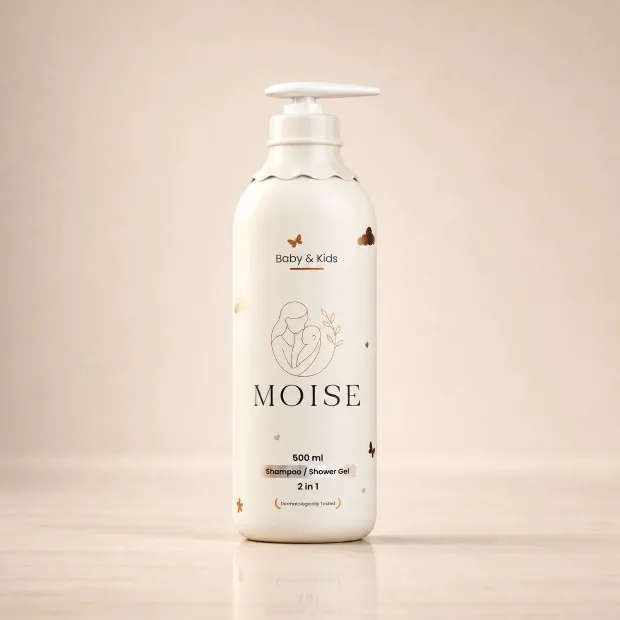
When your baby is older and you start using a wash, a mild 2-in-1 shampoo and body wash keeps things simple: one product for hair and body. Not sure what's in a product? Our guide on how to read a baby skincare ingredients list can help.
9. Try a different bathing approach
If the usual way isn't working, change it up.
- A smaller bath: A compact baby bath can feel snugger and safer than a big family tub.
- A different position: Some babies settle better when they're slightly more upright, with good support behind their head and back.
- Top and tail: Wash the face, neck, hands and bottom with a flannel or cotton wool instead of a full bath.
- A different time of day: Try mornings if evenings aren't working, or the other way round.
There's no rule that says your baby needs a full bath every time. Cleaning them with a flannel on a cosy towel is completely fine.
10. Build a familiar and predictable routine
Babies find comfort in knowing what comes next. A simple baby bath routine might look like this:
- Prepare the room and the bath.
- Undress your baby in a warm place.
- Introduce the water slowly, feet first.
- Wash gently, face and head last.
- Lift your baby out carefully.
- Wrap them straight away in a soft towel.
- Pat them dry and dress them.
- Apply a suitable moisturiser if their skin needs it.
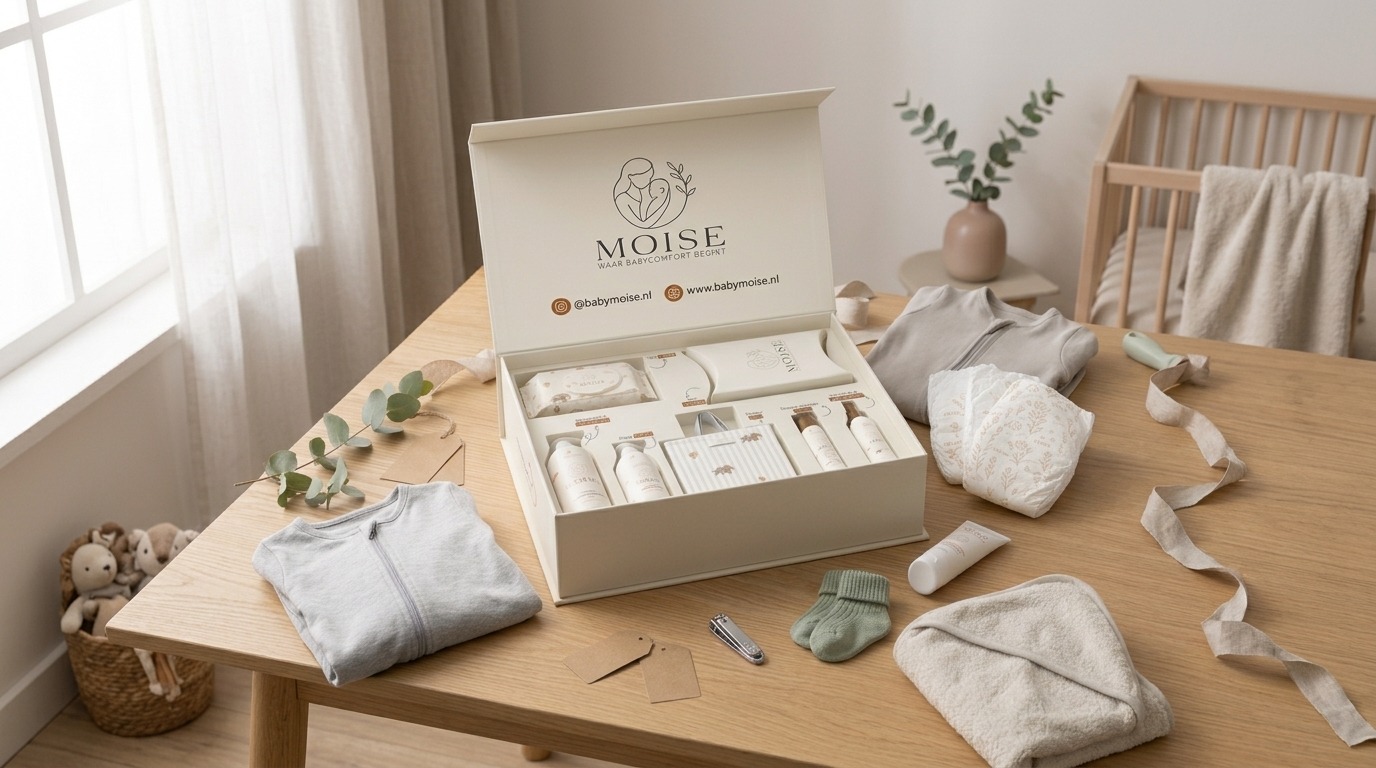
Doing the same steps in the same order, with the same song or words, helps your baby get used to the bath over time. If bath time becomes part of your evening, our ready-made bath time set puts the basics in one place.
What if your baby starts crying as soon as they enter the bath?
Some babies are fine until the moment their skin touches the water. If that's your baby, try this:
- Stay calm. Take a breath and keep talking to your baby in a soft voice.
- Check the water. Is it too cool? Too warm? Use your thermometer or elbow again.
- Check your hold. Make sure your baby feels firmly supported and isn't slipping.
- Slow down. Don't rush to finish the wash.
- Lift your baby out if they stay very upset. Wrap them in a warm towel and comfort them.
- Switch to a top-and-tail wash. Clean what needs cleaning with a flannel instead.
- Try again later. Another day, when your baby is relaxed, is soon enough.
It's never worth pushing through intense distress just to finish the routine. A missed bath does no harm. A string of frightening ones can make the next bath harder.
How often should you bathe a baby?
Less often than many parents think. The NHS says you don't need to bathe your baby every day. A top-and-tail wash in between is a perfectly good alternative. If your baby enjoys their bath, though, there's no reason not to bath them more often.
For many babies, a few baths a week is plenty. What does matter every day is keeping the key areas clean:
- the face, especially around the mouth after feeds,
- the neck folds, where milk and dribble collect,
- the hands,
- the nappy area, at every change.
Bathing more than your baby needs can dry out skin, especially if you're using cleansers and your baby has sensitive skin. The right rhythm depends on your baby's age, their skin, and what kind of day they've had. A crawling baby after an afternoon in the garden may need a bath more than a newborn who's spent the day in your arms.
If your midwife or health visitor has given you specific advice, for example because of a skin condition, follow that. And remember: a full bath every day is not needed to keep your baby clean.
What if your newborn hates their first baths?
Bathing a newborn can feel nerve-racking, and it's not unusual for a newborn to hate bath time at first. Everything is new: the air on their skin, the change in temperature, the feeling of water. Many newborns are especially unsettled when they're undressed, because they're used to being wrapped up and held close.
There's no rush with your baby's first bath. The World Health Organization recommends delaying the first bath of a healthy newborn until at least 24 hours after birth where possible. This gives your baby time to settle and helps them stay warm. In the UK, many parents give the first bath at home, once they feel ready and their baby is feeding well.
In the first weeks, topping and tailing is often all your baby needs. The NHS describes it simply: use cotton wool and warm water to clean around the eyes (a fresh piece for each eye, wiping from the nose outwards), around (not inside) the ears, the neck, the hands and the nappy area. Dry carefully between skin folds afterwards. For a newborn who finds the bath upsetting, this can be a calm, gentle alternative until they're a bit older.
Take your time. You're both learning. If the first few baths are tearful, that's not a sign you're doing it wrong. It's a sign your baby is still getting used to the world.
Bath time safety tips every parent should know
A calm bath is good. A safe bath is essential. Babies can drown quickly and silently in only a few centimetres of water.
- Never leave your baby alone in the bath, even for a few seconds. If the doorbell or phone rings, ignore it, or wrap your baby in a towel and take them with you.
- Don't leave older children in charge. A baby of any age needs an adult with them in the bath.
- Get everything ready first. Towel, nappy, clothes and any products should be within reach before your baby goes in.
- Check the water temperature every time, just before your baby goes in.
- Support your baby's head and neck throughout, and keep their face clear of the water.
- Keep the water shallow. You only need enough to keep your baby warm, not enough to float in.
- Keep electrical appliances, like hairdryers and heaters, well away from the water.
- Don't rely on bath seats or supports. They are not a substitute for supervision. The NHS notes that RoSPA advises against baby bath seats, as they can come loose.
- Lift your baby out carefully. Wet babies are slippery. Have the towel ready to wrap them straight away.
- Empty the bath as soon as you've finished.
Constant adult supervision, for the whole bath, is the one rule that never changes.
How to care for your baby's skin after bath time
The minutes after a bath can be one of the nicest parts of the day, with your baby warm and wrapped up in your arms. A few simple steps help look after their skin.
- Pat, don't rub. Gently pat your baby dry with a soft towel. Rubbing can irritate delicate skin.
- Mind the folds. Dry carefully in the creases of the neck, under the arms, behind the ears, and in the folds of the legs and nappy area. Moisture left there can make skin sore.
- Moisturise only if needed. If your baby's skin looks dry, a gentle, fragrance-free moisturiser suitable for babies can help. Many babies don't need anything at all.
- Use nappy cream when needed. If the nappy area looks red or irritated, a thin layer of barrier cream before the clean nappy can help protect it.
- Choose suitable products. For baby sensitive skin, fewer and milder products are usually better.
- Don't overdo it. Too much soap, lotion or fragranced product can upset the skin's natural balance.
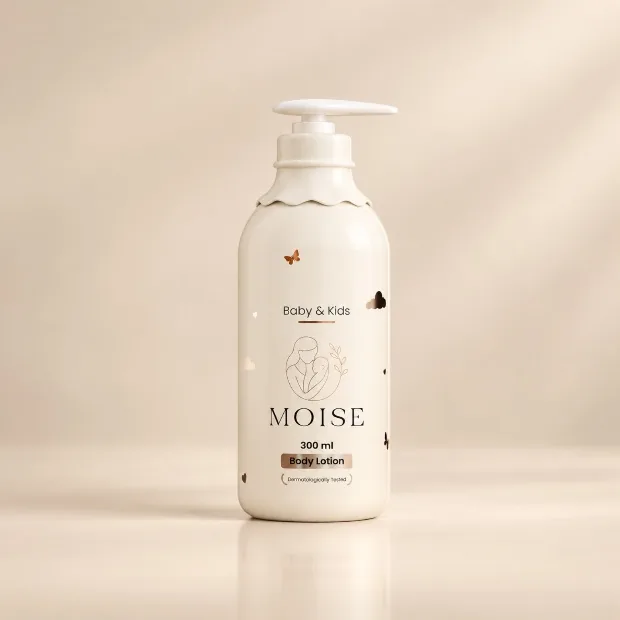
Not every baby needs moisturiser after every bath. Look at your baby's skin and respond to what you see. If you do want something light, a mild baby body lotion is an easy option for dry patches.
Gentle baby skincare is about routine care, not treatment. If your baby has eczema or another skin condition, follow the advice of your GP or health visitor on what to use.
When should you speak to a healthcare professional?
Most crying at bath time comes down to discomfort, tiredness or simply not being used to it yet. But some signs need a closer look. Get medical advice if:
- your baby cries in an unusual way or seems to be in pain when you handle or bath them,
- there's a skin rash that doesn't go away or is getting worse,
- the skin looks swollen, blistered, infected or very irritated,
- your baby has a fever or seems generally unwell,
- your baby reacts strongly whenever you touch one particular part of their body.
Contact your GP or health visitor, or call NHS 111 if you're unsure where to turn. If your baby seems seriously unwell or their symptoms are getting worse quickly, get urgent medical help by calling 999 or going to A&E.
Conclusion: when your baby hates bath time
If your baby hates bath time, it doesn't mean you're doing something wrong, and you don't need to turn every bath into a long or complicated routine. Most babies just need time, warmth and a calm, steady pair of hands.
The things that help most:
- Choose a time when your baby is relaxed.
- Keep the room warm and check the water temperature every time.
- Support your baby securely and move gently.
- Keep baths short and products simple.
- Use a top-and-tail wash when a full bath feels like too much.
- Never leave your baby unattended near water.
Patience, consistency and gentle handling go a long way. Follow your baby's cues rather than chasing a perfect routine. One day, perhaps sooner than you think, the crying may turn into kicking and splashing. If you're settling into everyday baby care, our new dad's guide to nappy changes and everyday baby care is a good next read, for mums too.
Frequently asked questions
Usually it's a mix of things: the strange feeling of water, being cold when undressed, water that's not quite the right temperature, hunger, tiredness or too much noise and light. Working through these one by one often helps you find the cause.
Respond to your baby first. Check the water, the room and your hold. If they stay very upset, it's fine to lift them out, wrap them up and comfort them. A gentle top-and-tail wash will keep them clean until you try again.
Around 37–38°C is a commonly recommended range, close to body temperature. The water should feel warm, never hot. Use a bath thermometer if you can, mix the water well, and always check before your baby goes in.
Keep baths short, especially for young babies. A few minutes is often enough to wash them. There's no set time to aim for. Take your baby out before they get cold or upset.
You can, if your baby enjoys it and their skin stays comfortable, but daily full baths usually aren't necessary. A few baths a week, with daily cleaning of the face, hands, neck and nappy area, is enough for many babies.
There's no best time that suits every baby. Choose a time when your baby is calm, not hungry and not overtired. For some families that's part of the bedtime routine. For others, mornings work better.
Start gently. Warm the room, keep the water comfortably warm, hold your baby securely and keep the bath very short. Many parents find topping and tailing works better in the first weeks, with full baths introduced slowly.
Yes. A top-and-tail wash with warm water and a clean flannel or cotton wool is a suitable way to keep your baby clean when a full bath isn't needed.
Many babies become much more comfortable once bathing feels familiar, and lots grow to love it. Every baby is different, though. Some take longer, and that's okay.