You've had a warm day, your baby's been a bit sweaty in the car seat or buggy, and now there's a scatter of tiny red bumps across their neck or back. It's one of the more common summer worries, and usually one of the least serious.
Quick answer: Heat rash, also called prickly heat or miliaria, is a common, usually harmless skin irritation that happens when sweat becomes trapped under the skin, often in warm or humid conditions. It tends to appear as small red spots or bumps, most often on the neck, chest, back and skin folds, and typically clears up on its own within a few days once your baby is kept cool.
That said, more than one baby rash can look similar at a glance, so it's worth reading on to check the appearance, location and any accompanying symptoms against what's described below, and getting it checked if you're ever unsure.
What Is Heat Rash in Babies?
Heat rash, medically known as miliaria, happens when sweat gets trapped beneath the skin because a sweat duct becomes blocked. Instead of reaching the surface and evaporating normally, the sweat leaks into the surrounding skin, causing small bumps, redness, or occasionally tiny blisters.
Babies are particularly prone to this because their sweat ducts are still developing and can block more easily than an older child's or adult's. On top of that, babies can't regulate their own body temperature as efficiently, so they're more likely to overheat in the first place, through warm weather, too many layers, or a warm room, which sets the conditions for heat rash to develop.
There are technically a few different types of miliaria, classified by how deep the blockage sits in the skin. Miliaria crystallina, the mildest and most common form in young infants, appears as tiny clear blisters that come and go without bothering the baby much. Miliaria rubra, what most people mean by "prickly heat", sits a little deeper and tends to look more red and irritated, sometimes with a prickling or stinging sensation. The more severe forms are uncommon in babies and generally not something you'll need to worry about.
What Does Heat Rash Look Like on a Baby?
Heat rash commonly shows up as small, raised red spots, sometimes with a mild prickly or stinging feel to the touch. On lighter skin, the rash typically looks red; on brown or black skin, it may be less obviously red and more easily felt than seen. In its milder form, it can look like tiny clear or fluid-filled bumps rather than red spots.
The rash often appears in clusters rather than as a single spot, and the surrounding skin may look slightly swollen or irritated. How it looks can vary depending on the type of miliaria and how long it's been present, a rash that started as tiny clear blisters can look more inflamed after a day or two of continued sweating.
Where Does Baby Heat Rash Usually Appear?
Heat rash tends to develop wherever sweat gets trapped, which in practice usually means:
- The neck, particularly in the folds
- The chest and upper back
- The shoulders
- Skin folds generally, under the arms, behind the knees, in the nappy area
- Areas covered by clothing or car seat straps
- Occasionally the scalp or forehead
These are the most common spots, not an exhaustive list, heat rash can technically appear anywhere sweat is building up against the skin.
What Causes Heat Rash in Babies?
The underlying mechanism is straightforward: sweat gets produced, a duct becomes blocked before it can evaporate at the surface, and the trapped sweat irritates the surrounding skin. A few common contributors:
- Hot weather and humidity, which increase how much your baby sweats in the first place
- Overdressing or too many layers, particularly in a baby who can't remove clothing themselves if they're too warm
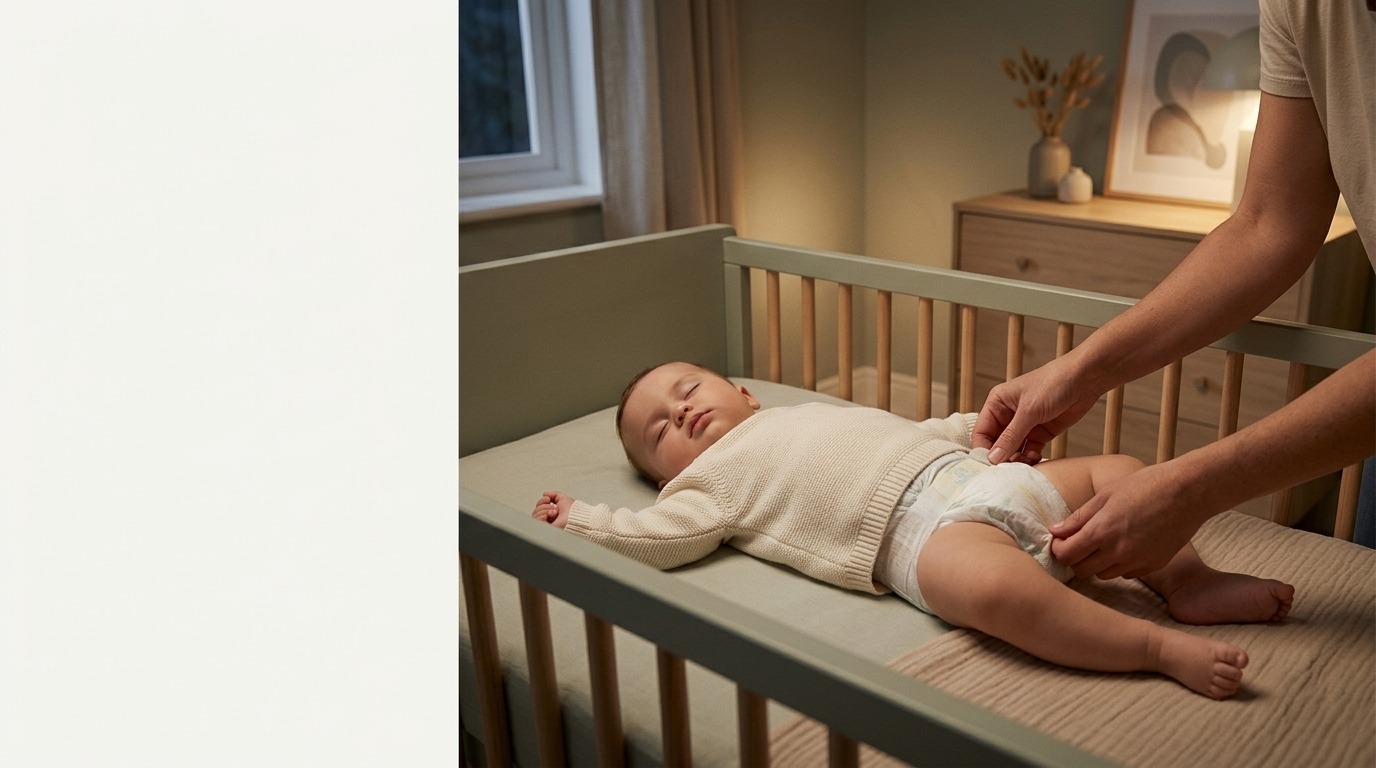
- Warm sleeping environments, including overheated bedrooms or overly warm bedding
- Tight or non-breathable clothing, which traps heat and moisture against the skin
- Skin folds, which naturally stay warmer and more moist than flatter areas of skin, making blocked ducts more likely there
Worth saying clearly: heat rash isn't a sign of poor hygiene or something you've done wrong. It's simply a physical response to trapped sweat, and it can happen to a scrupulously clean baby just as easily as any other.
Is Heat Rash Common in Newborns and Babies?
Yes, heat rash is a common condition in young babies, largely because of two overlapping factors: their sweat glands and ducts are still developing and prone to blockage, and they're less able to regulate their own body temperature than older children or adults, making them more likely to overheat in warm conditions or when wrapped or dressed too warmly. Newborns spending time in warm indoor environments, or being swaddled snugly, can also be more prone to it, even outside of particularly hot weather.
How to Treat Heat Rash in Babies
Keep Your Baby Cool
Cooling the skin down is the main thing that helps. This might mean moving to a cooler room, loosening or removing a layer of clothing, or simply getting your baby out of direct sun or a stuffy space. The goal is comfortable, not cold, you're aiming to stop the sweating that's causing the problem, not to chill your baby.
Choose Lightweight, Breathable Clothing
Loose-fitting cotton clothing allows air to circulate and sweat to evaporate more easily than tight or synthetic fabrics. If your baby is swaddled or wrapped, check they're not overly warm underneath.
Keep the Skin Cool and Dry
Allowing the affected area to stay cool and exposed to air where practical, rather than covered or wrapped up, can help the rash settle. Avoid unnecessarily covering the area with thick clothing or bedding while it's healing.
Use Lukewarm Water if Bathing Helps
A bath in lukewarm (not hot) water can help cool the skin and soothe irritation. It's best to avoid soap on the affected area during a flare-up, since it can add to the irritation, plain water is usually sufficient.
Avoid Irritating Products
A few things are worth leaving out of your routine while the rash settles:
- Heavily fragranced products, which can irritate already-sensitive skin
- Thick or greasy (occlusive) products, which can trap more heat and moisture rather than letting the skin breathe
- Powders, which aren't generally recommended and can build up in skin folds
- Essential oils, which aren't suitable for a baby's sensitive skin
- Harsh cleansers of any kind
This doesn't mean every moisturiser is off-limits, it depends on your baby's skin and the type of rash. If you're using a moisturiser as part of your baby's normal routine, a light, fragrance-free option is generally more sensible than a thick, occlusive one during a heat rash flare-up.
[Internal link opportunity: Baby skin care]
How Long Does Heat Rash in Babies Last?
Mild heat rash often improves within a few days once your baby is cooled down and the conditions causing it, overdressing, a hot room, trapped sweat, are addressed. There's no guaranteed timeframe, though, and how quickly it clears can depend on the severity and how consistently your baby is kept cool in the meantime.
If the rash hasn't improved after a few days, seems to be getting worse rather than better, or keeps coming back despite reasonable efforts to keep your baby cool, it's worth having it checked by your GP or health visitor rather than continuing to wait it out.
How to Prevent Heat Rash in Babies
- Dress your baby appropriately for the actual temperature, rather than automatically adding layers
- Avoid unnecessary extra layers, particularly in warm weather or heated indoor spaces
- Choose breathable fabrics like cotton over synthetic materials
- Keep your baby comfortably cool generally, rather than warm "just in case"
- Avoid prolonged exposure to excessive heat, including direct sun and stuffy, poorly ventilated rooms
- Pay attention to skin folds, which are more prone to trapped sweat
- Avoid overly warm bedding, particularly overnight
- Take extra care during hot and humid weather specifically, when the risk is highest
The goal throughout is comfortable temperature regulation, not making your baby feel cold, just avoiding unnecessary overheating.
Heat Rash in Summer: Keeping Your Baby Comfortable
Hot weather brings a few extra considerations worth thinking through:
- On hot days generally, dress your baby in loose, breathable clothing and keep them out of direct sun where possible
- In humid weather, sweat evaporates less efficiently, so it's worth being extra attentive to skin folds and trapped moisture
- During travel and car journeys, car seats can get warm and don't allow much airflow, so check your baby periodically, particularly on longer journeys, and never leave a baby alone in a parked car
- During outdoor activities, use shade, light clothing and a sun hat, and take breaks in cooler spots when possible
- Sleeping in warm weather, lighter bedding and appropriate room temperature both help reduce the risk of overnight heat rash
Avoid any method of cooling your baby down that isn't specifically safe for infants, no ice packs directly on the skin, no fans blowing directly and forcefully on a baby, and no leaving a baby unattended near water to cool off.
Heat Rash or Something Else?
Several common baby skin conditions can look broadly similar to heat rash, particularly at a glance. Appearance alone isn't always enough to tell them apart with confidence.
| Condition | Typical appearance | Common areas | Key clues |
|---|---|---|---|
| Heat rash | Small red spots or bumps, sometimes tiny clear blisters, may look prickly or mildly swollen | Neck, chest, upper back, skin folds | Appears after heat/sweating; improves once baby is cooled down |
| Baby acne | Small red or white bumps, sometimes with a whitehead | Face, particularly cheeks, nose and forehead | Common in the first few weeks; not linked to heat or sweating |
| Eczema | Dry, red, sometimes scaly or thickened patches; can be persistent | Face, behind the knees, inside elbows, and elsewhere | Often dry and itchy rather than sweaty; tends to be more chronic and recurring |
| Milia | Tiny white or yellowish bumps, not red | Nose, chin, cheeks | Present from birth or very early on; not related to heat |
| Contact dermatitis | Red, sometimes itchy patch in a specific pattern | Wherever a product or material touched the skin | Linked to a specific new product, fabric or exposure; often has a defined edge |
If you're not confident which of these you're looking at, or if the rash doesn't fit neatly into any of these patterns, a GP or health visitor can assess it properly rather than you needing to guess from a description or photo alone.
[Internal link opportunity: Nappy rash]
When Should You Call a Doctor About a Baby's Rash?
Most heat rash is mild and settles with simple cooling measures at home. It's worth seeking medical advice, though, if you notice:
- Your baby seems generally unwell alongside the rash
- A fever, particularly in a baby under 3 months old, any baby this young with a temperature of 38°C or higher should be seen by a healthcare professional straight away
- Difficulty breathing, or breathing that seems unusually fast or laboured
- Poor feeding, or your baby seeming uninterested in feeding
- Unusual sleepiness, difficulty waking, or a baby who seems limp or floppy
- A rash that's spreading quickly or clearly getting worse rather than better
- Significant swelling around the affected area
- Blistering beyond the mild, clear blisters sometimes seen in mild heat rash
- Pus, yellow or green fluid, or other signs the area may be infected
- A rash that doesn't fade when you press a glass firmly against it (the "glass test"), this needs urgent medical attention
- Any rash accompanied by your baby seeming distressed, floppy, or generally different from themselves
For a baby under 3 months old with a fever, or any baby showing the more serious signs above, pale, blue or mottled skin, unusual difficulty waking, a weak or high-pitched cry, or a non-blanching rash, seek urgent medical help rather than waiting, including calling 999 or going to your nearest A&E department if your baby seems seriously unwell.
For a rash that's persistent, unclear, or simply worrying you without these more serious signs, your GP or health visitor is the right first point of contact for a proper assessment.
Common Mistakes When Treating Baby Heat Rash
- Overdressing "just in case." More layers than the weather calls for is one of the most common contributors to heat rash in the first place.
- Scrubbing the affected skin. This irritates skin that's already sensitive; gentle cleansing with plain water is more appropriate.
- Using strongly fragranced products. Fragrance can add to irritation on skin that's already reacting.
- Applying thick or occlusive products unnecessarily. These can trap more heat and moisture rather than letting the skin breathe and recover.
- Using adult skincare products without checking suitability. What's fine for adult skin isn't automatically appropriate for a baby's more delicate skin.
- Applying any medication without professional guidance. Heat rash doesn't generally need medicated treatment, and anything beyond simple cooling measures should be discussed with a healthcare professional first.
- Assuming every baby rash is heat rash. As the comparison above shows, several conditions can look similar, and treating the wrong one the wrong way can delay proper care.
Key Takeaways
- Heat rash (miliaria) happens when sweat gets trapped under the skin due to a blocked sweat duct, and it's common and usually harmless in babies.
- It typically appears as small red bumps or tiny clear blisters, most often on the neck, chest, back and skin folds.
- Keeping your baby cool: loose clothing, a cooler room, lukewarm baths without soap, is the main way to help it settle.
- Prevention centres on avoiding overdressing and unnecessary heat exposure, particularly in warm or humid weather.
- Avoid heavily fragranced products, thick occlusive creams, powders and essential oils on the affected skin.
- Several other baby rashes can look similar, including baby acne, eczema, milia and contact dermatitis, appearance alone isn't always enough to tell them apart.
- Seek medical advice if the rash doesn't improve, gets worse, shows signs of infection, or your baby seems unwell, has a fever, or shows other concerning symptoms.
Conclusion
Heat rash is one of those baby-care moments that looks more alarming than it usually is. In most cases, a few practical changes, lighter clothing, a cooler room, a lukewarm bath, are enough to help it settle within a few days, and it isn't a sign that you've done anything wrong as a parent.
If you're looking for gentle, fragrance-free skincare to support your baby's comfort during warm weather, Moise's skin and hair spray and body lotion are worth a look alongside the practical steps above, checking the current ingredient list against your baby's skin needs is always a sensible starting point.